Hearing loss affects many children each year and can influence areas of life beyond the ability to hear sounds clearly. For a child, difficulties with hearing may shape speech development, classroom learning and how they connect with friends and family. These challenges can also influence daily routines at home, requiring families to adjust how they communicate and support one another. Because hearing plays such a key role in learning and growth, identifying issues early and addressing them appropriately is an important step in supporting a child’s development.

Audiologists play an important role in helping children and their families manage hearing concerns. They are trained to evaluate, guide and provide care that meets the unique needs of children at different stages, from newborn screenings to school-age hearing support. Their work includes diagnosing hearing loss, fitting hearing aids when necessary and also extends to educating families and offering strategies to make communication easier in everyday settings. By providing ongoing guidance and practical support, audiologists help create a path that allows children to build confidence in their communication skills and continue progressing in school and social settings.

Why Early Hearing Checks Matter for Children

Early hearing checks are important because a child’s ability to hear strongly influences how they learn to speak, interact and succeed in school. Even a mild or profound hearing loss can make it harder to follow instructions, pick up new words or join in conversations with friends. Identifying problems early gives families and audiologists more options for support, whether that means monitoring changes, using hearing devices or adjusting learning environments. These checks help ensure that any challenges are addressed before they create bigger obstacles for a child’s growth. Taking this step early on can make a lasting difference in how smoothly a child develops communication skills and builds confidence.

What Can Cause Hearing Loss in Childhood

There are several reasons why a child might have hearing loss. Some causes are present at birth, while others develop as a child grows. Common causes of hearing loss in children include:

  • Ear infections, which can block sound or damage parts of the ear.
  • Illnesses like measles, mumps or meningitis.
  • Loud noises from toys, music or other sources.
  • Certain medicines that may affect hearing.
  • Family history of hearing loss.

Signs That May Show Hearing Loss in Children

Some signs may suggest that a child is having trouble hearing. These can include not reacting to loud noises, turning up the volume on devices often or having trouble following directions. Younger children might not start talking at the expected age or may use fewer words than other kids their age. Watching for these signs helps families know when it is time to ask for a hearing check.

How Hearing Loss Affects Speech and Language Growth

Hearing loss can make learning to speak and understand language more difficult. Kids might miss certain sounds or words, which can slow down how they learn to talk and communicate. Knowing how hearing loss affects speech and language helps families spot signs early and seek help when needed. With the right support, children have a better chance to build strong language skills and confidence at school and with friends.

How Audiologists Test Young Children

Testing hearing in young children requires different methods than those used for adults, since most children are not able to respond to standard listening tests. Audiologists often rely on approaches designed to observe how a child naturally reacts to sounds. For infants, this may include watching for subtle responses like eye movements, turning their head or changes in facial expression when a sound is played. As children grow older, audiologists may use simple games or visual cues, like rewarding a response with a lighted toy, to measure how well the child can detect and respond to different tones and volumes. These methods help gather useful information about a child’s hearing in a way that is manageable for their age.

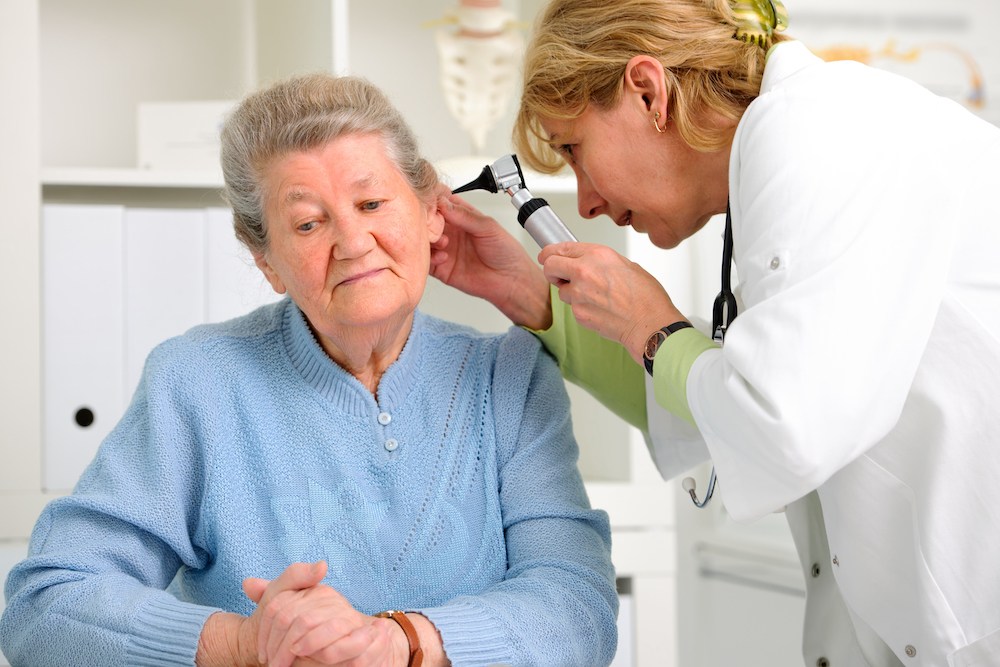
Along with behavioral responses, audiologists often use tools that measure how the ear and auditory system are working. One example is testing how the eardrum moves when gentle air pressure is applied, which can show if there is fluid or blockage in the middle ear. Another involves using small sensors to check if the inner ear is responding to sound as expected. These objective tests are especially useful for children who are too young to follow instructions or participate in listening tasks. Combining both approaches, audiologists can form a clearer understanding of a child’s hearing health and determine whether further care is needed.

Ways to Manage Hearing Loss in Kids

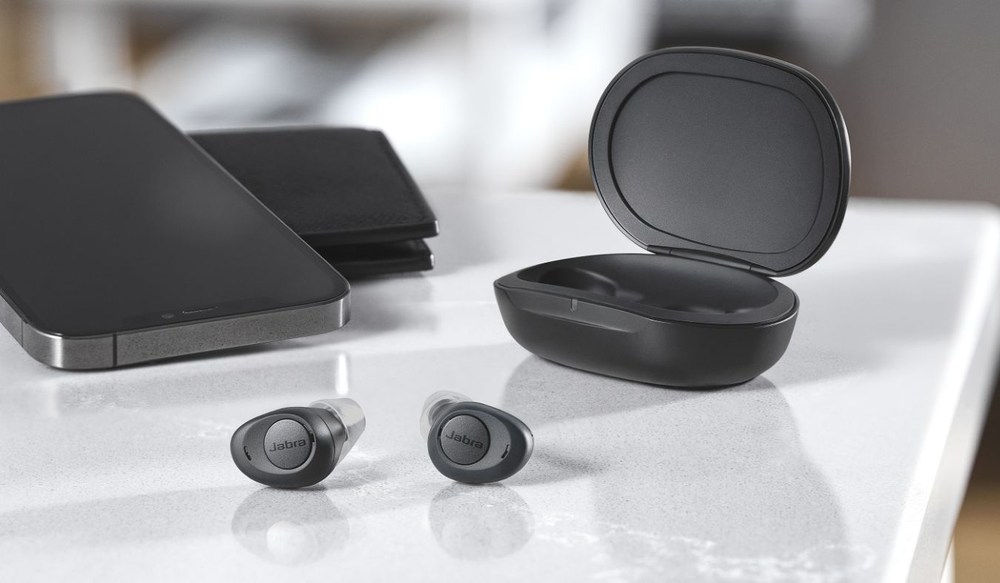
There are many ways to support children with hearing loss in daily life, whether at home, in school or during social activities. Audiologists may recommend hearing aids to improve access to sounds and help with communication. Speech therapy can also play an important role in building clear speech and stronger language skills. In the classroom, small adjustments like seating a child closer to the teacher or reducing background noise can make listening easier. Together, these strategies create a more supportive environment that helps children stay connected and engaged.

Partnering with Schools to Support Student Success

Working with schools helps children with hearing loss do their best in class and feel included. Teachers, school staff and audiologists can share information about a child’s needs, so lessons are easier to follow and group activities are more comfortable. Helpful steps include meeting with teachers before the school year starts, making sure your child sits near the front of the classroom and asking about special listening devices if needed. Good communication between home and school helps everyone work together to support your child’s learning and confidence.

What Parents Should Do If They Notice Signs of Hearing Loss

If you notice your child is not responding to sounds, speaking less than other kids their age or often asking for things to be repeated, it is important to act quickly. Early action helps your child get the support they need for healthy speech and learning.

Reach out to an audiologist if you see these signs. A simple hearing test can give clear answers and guide you on the next steps. Sometimes, hearing loss in children can be caused by something as common as ear infections, so regular check-ups with an audiologist are also helpful for keeping their ears healthy.

Supporting Healthy Hearing for Every Child

Children’s hearing health shapes how they learn, speak and connect with others. Audiologists play an important role in finding hearing loss early and helping families manage it with the right support. Regular check-ups and open communication between families, schools and professionals help children reach their full potential.

If you have concerns about your child’s hearing or notice changes in how they respond to sounds or speech, schedule an appointment with an audiologist. Early action can make a real difference in your child’s development and confidence, helping them grow and succeed at home, at school and with friends.