Advances in Water-Resistant Hearing Aid Coatings
Anyone who has spent a summer in Northeastern Illinois knows how quickly

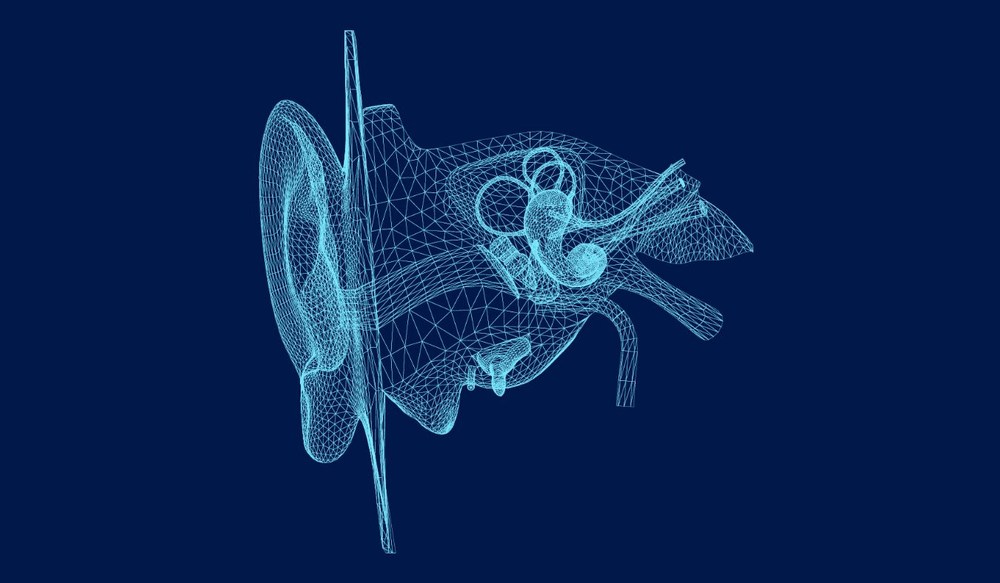
By: Lata Jain, AuD | February 20, 2026
Winter tends to slow things down. You’re spending more time inside, your schedule isn’t as packed and there’s a natural pause before the year picks up again. It’s also when you’re doing a lot of talking. Family gatherings, visits from friends, work parties and catching up with people you haven’t seen in months.
If your hearing has been slipping, winter is when you’ll notice it most because conversation is everywhere. You’re in close quarters, background noise is constant and you don’t have the option to just step outside or avoid the situation.
Getting your hearing checked now means you can actually enjoy those gatherings instead of spending them trying to keep up.
There’s also a practical side to it. A lot of people have insurance benefits that reset at the end of the year, so if you’ve been putting off a checkup, now’s the time to use what you’ve already paid for. Winter offers the space to take care of this without feeling rushed or squeezed between everything else on your calendar.
Weather changes can directly affect your ears. Fluctuations in temperature, humidity and air pressure can all influence your hearing.
Cold air often causes the ear canal to dry out or become irritated, which may lead to itchiness or discomfort. Sudden temperature drops can make earwax harder, making it more difficult to clear.
When you understand these effects, you are better prepared to notice changes early and manage your ear care. Rainy or humid days increase moisture in the ears, which raises the risk of infection.
Winter brings specific challenges for your ears. Cold temperatures, wind and indoor heating each play a role.
Dry indoor air from heaters can cause the skin inside your ear canal to become flaky or itchy. Cold wind may make your ears feel numb or sore, especially if they are not covered.
Wearing hats, scarves or earmuffs for warmth can trap moisture around the ears, which may increase the risk of infection. Temperature changes between indoor and outdoor environments can also affect how earwax forms and moves.
Winter can be an ideal time for a hearing health checkup, particularly because indoor heating often dries out the air. Dry air can pull moisture from the skin in your ear canal, which may cause itchiness, mild irritation or a tight feeling. Even small changes like this can make sounds seem slightly different or more difficult to follow.
Spending more time in heated, dry spaces can make subtle shifts in hearing easier to notice. Conversations may feel less clear, or background noise may be more distracting than usual.
Visiting your hearing specialist in winter allows them to evaluate your ears and hearing while these seasonal conditions are affecting you. A checkup helps identify any early changes, so you have a baseline for your hearing and a better sense of how to monitor it moving forward.
Winter brings more than cold weather and shorter days; it also brings common illnesses that can affect your ears and hearing. Sinus congestion, colds and flu can temporarily change the way sound travels through your ear canal and middle ear.
Even mild symptoms can make your hearing feel slightly different, and sometimes it takes longer than expected for things to return to normal.
Some ways winter illnesses can influence hearing include:
Winter makes it much easier to notice small changes in how you hear. The world is a lot quieter when there is less traffic on the streets or fewer people out in the neighborhood. You might realize that certain noises just don’t stand out the way they used to during these calm months.
The buzz of the fridge or the sound of your keyboard might seem a bit muffled. Rain on the roof or the crunch of snow under your boots could feel softer than they did last year. Even simple things like a clock ticking or a car door closing in the driveway might be harder to catch when the house is still.
These calm moments give you the chance to notice changes that might be easy to miss when the environment is busier, making winter an especially useful time to address hearing concerns.
Hearing loss usually starts quietly, with changes that are easy to overlook. You might notice that sounds around you feel more noticeable than the voices you are trying to follow, or that keeping up with a conversation in a group feels more tiring than it used to.
Catching these early signs gives you a chance to understand what’s happening and take simple steps to protect your hearing before it begins to affect daily life or the way you connect with others.
Signs that your hearing may be changing can include:
Winter is a great time to schedule a hearing health checkup for a few reasons. With shorter days and colder weather, many people spend more time indoors, giving your hearing specialist a chance to see how your ears respond in the conditions you experience most. Any subtle changes in hearing, ear comfort or device performance tend to show up more clearly when the air is dry and heated, making it easier to spot issues early.
The season also brings common colds, sinus pressure and flu, which can temporarily affect hearing or ear comfort. Visiting your audiologist during the winter allows them to assess how your hearing is functioning under these conditions.
They can help distinguish temporary changes caused by illness or dry air from longer-term shifts in hearing, giving you a clearer picture of your overall ear health.
Checking in during the winter ensures that any minor problems are addressed before the spring and summer, when busy schedules and travel can make appointments harder to fit in.
Whether it’s assessing comfort, device performance or overall hearing, a winter checkup helps keep your ears in good shape and prepares you for the rest of the year.
When you visit a hearing specialist, the appointment usually starts with a conversation about your hearing and ear health. They will ask questions about any changes you’ve noticed, such as difficulty following conversations, ringing in the ears or discomfort.
They may also ask about your daily routines, work or home environments, and any past ear issues. This helps them understand your experience and what factors might be affecting your hearing.
During the appointment, your hearing professional will perform a series of hearing tests, which may include:
This conversation helps you understand how your hearing is functioning right now and gives context for any questions you might have about what comes next.
After your hearing tests, your hearing care provider will sit down with you to go over the results. They will explain what the numbers and measurements mean in everyday terms, making it easier to understand how your hearing is performing.
This is your chance to ask questions, clarify anything that seems unclear and get a sense of how your hearing compares to typical ranges.
If the results show hearing loss, your audiologist will discuss treatment options that fit your needs. Hearing aids are the most common solution, and they can be customized based on the type and degree of hearing loss, your lifestyle and your personal preferences.
Your specialist will explain how the devices work, what features might benefit you and how they can improve day-to-day listening. This conversation helps you make decisions that feel right for you, without pressure.
Even if your hearing appears normal, the appointment still provides valuable information. You now have a baseline to compare against in the future, which makes it easier to notice subtle changes in your hearing over time.
Your audiologist can suggest follow-up checks and tips for protecting your hearing, so you can track any shifts early and address them promptly if needed. This approach ensures your hearing stays monitored and cared for, even when no treatment is necessary at the moment.
Winter gives you a natural pause to pay attention to your hearing when it matters most. With gatherings, conversations and background noise happening indoors, it’s easier to notice changes you might have missed during the rest of the year.
A checkup now helps you understand how your ears are performing and whether anything has shifted, giving you a clear sense of where you stand before the busier months return.
Scheduling a visit in winter with our team also lets you handle next steps at your own pace. If hearing aids or adjustments are needed, you have time to get used to them before spring and summer activities pick up.
You can reach SoniK Hearing Care Services in Illinois at Arlington Heights and Cary: (224) 888-4224 or Chicago (two offices): (312) 878-8100 to set up a checkup that fits into your winter schedule.
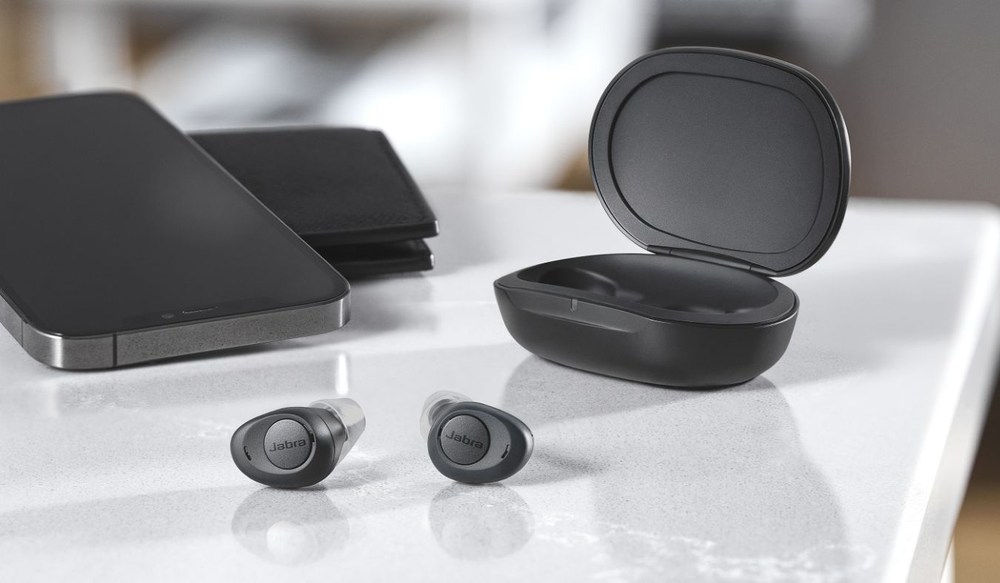
Anyone who has spent a summer in Northeastern Illinois knows how quickly
By: Lata Jain, AuD | September 21, 2026

By mid-year, most people have already been through more than they realize.
By: Lata Jain, AuD | April 22, 2026
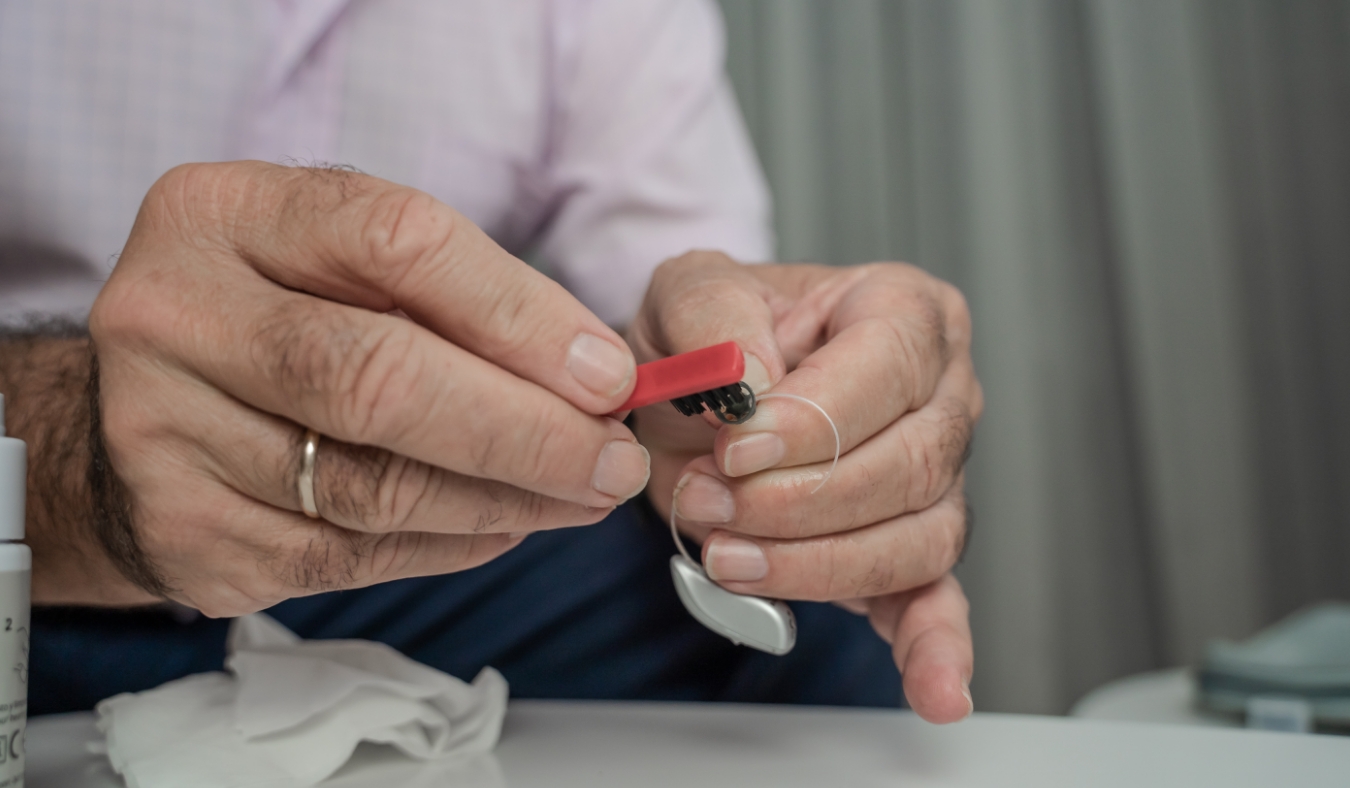
Your hearing aids work hard every day, helping you stay connected to
By: Lata Jain, AuD | April 15, 2026