Getting hearing aids fitted for the first time is an important step in improving how you hear and communicate each day. It’s common to have questions or feel unsure about what will happen during the appointment, especially if this is your first time wearing hearing devices. While the idea of adjusting to something new can feel a bit unfamiliar, the fitting process is designed to help make that transition smoother and more comfortable.

This appointment marks the start of getting used to how hearing aids sound and feel in your daily life. It also gives your audiologist the chance to learn more about your hearing needs so they can make adjustments that work for you. So, what expectations should you have from hearing aid fittings?

Why Are Hearing Aid Fitting Appointments Important?

Hearing aid fitting appointments are an important part of making sure your hearing aids work well for you. These visits are not just a formality. They help ensure that your hearing aids are adjusted properly so you can hear more clearly and comfortably in everyday situations. Without a fitting, the devices might not provide the support you need, which can lead to frustration or poor results.

The appointment also gives your audiologist a chance to fine-tune your hearing aids based on your specific needs. Everyone’s hearing loss is different, and a personalized fit can make a big difference in how well you hear. If this step is skipped or rushed, you may end up with hearing aids that are less helpful than they could be. Taking time for a proper fitting is a smart way to make sure your devices are working at their best.

What Happens During Your Hearing Aid Fitting Appointment

During your hearing aid fitting, your audiologist will begin by making sure the devices fit properly and feel comfortable in your ears. The physical fit matters because a hearing aid that’s too loose or too tight can cause discomfort or affect how well you hear. Your audiologist will also check that the devices sit correctly and explain how to put them in and take them out on your own. If you have custom earmolds, those will be tested for both comfort and performance.

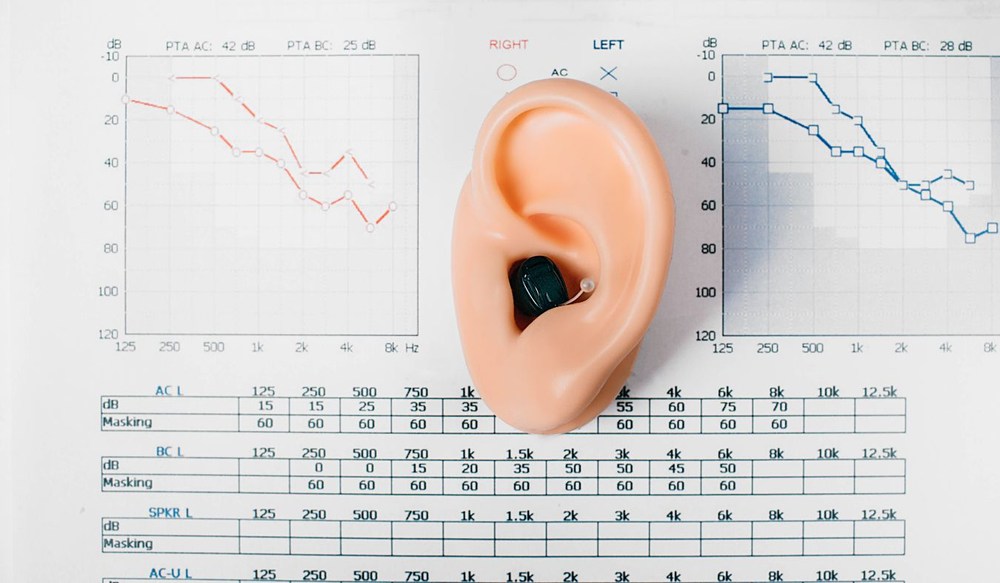
Once the hearing aids are in place, your audiologist will program them based on your hearing test results. This means adjusting the sound levels to match your specific hearing needs. They may play different sounds or speech samples to fine-tune the settings and make sure you can hear clearly without it feeling too loud. You’ll also go over how to care for your hearing aids, including cleaning, charging or changing batteries and troubleshooting common issues. By the end of the appointment, you should have a clear idea of how the devices work and what to expect as you begin wearing them daily.

You May Still Need Adjustments

It’s common for hearing aids to need a few adjustments after your initial fitting. Even when the settings are based on your hearing test, they might not feel quite right in your day-to-day life. You may notice that some sounds seem too sharp, too quiet or harder to focus on in certain places. These issues don’t mean the devices aren’t working – they just need to be fine-tuned to match your environment and preferences. Follow-up appointments give your audiologist a chance to adjust the settings based on your real-world experiences.

Getting used to hearing aids take time, and it’s normal if things don’t feel perfect right away. Sounds you haven’t heard in a while might seem strange or distracting at first. Your brain also needs time to get used to processing these sounds again. Being patient and giving feedback during follow-ups can help make the process smoother. Over time, the adjustments you and your audiologist make can lead to a more natural and comfortable hearing experience.

Not All Environments Will Sound the Same

When you start wearing hearing aids, it’s normal to notice that sounds don’t feel the same in every setting. For example, a conversation at home might be easier to follow than one in a crowded restaurant or open public space. That’s because hearing aids don’t completely remove background noise – they work to make important sounds clearer, but they still have limitations. Noisy places can still feel challenging until your ears and brain adjust. Understanding that not every environment will sound perfect right away can help you stay patient during the adjustment period.

Your audiologist may be able to adjust your hearing aids to better suit the places you spend time in most. Some devices also include features that automatically shift settings depending on your surroundings. If something doesn’t sound quite right, taking note of the situation can be helpful when you go in for follow-up visits. Over time, you’ll likely become more familiar with how your hearing aids handle different types of noise. This process takes a bit of time but knowing what to expect can make it easier to work through.

How Your Brain Gets Used to New Sounds

When you start wearing hearing aids, your brain begins working harder to process new or clearer sounds. This takes some time. At first, some noises might sound strange or even too strong.

With regular use, your brain learns to sort out which sounds matter and which can be ignored. This adjustment period is normal and usually gets easier the more you wear your hearing aids each day.

How Long It Takes to Get Comfortable with Hearing Aids

Getting used to hearing aids doesn’t happen overnight. For most people, it takes a few weeks to a couple of months to feel comfortable wearing them every day. At first, even normal sounds might seem louder or unfamiliar. This is because your brain is relearning how to process sounds it hasn’t heard clearly in a while. It’s normal to feel unsure in the beginning, but with regular use, your ears and brain will start to adjust.

A good way to build comfort is by easing into it. Start wearing your hearing aids in quiet settings at home, then slowly work up to wearing them in places with more background noise. Try to increase the time you wear them each day, and take short breaks if needed. If certain sounds feel uncomfortable or distracting, keep track of those experiences. Your audiologist can use that information to fine-tune your hearing aids and make them work better for your needs.

Simple Tips for Getting the Most Out of Your Hearing Aids

Wearing your hearing aids every day, even in quiet places, helps your brain get used to new sounds. Begin with a few hours each day and slowly wear them longer as you feel comfortable. Knowing how to use batteries or charging features can also help keep your devices working well all day long. These small habits can help you get the most out of your hearing aids and support your daily life.

If you are not sure about what to expect when going to a hearing aid fitting, an audiologist can walk you through the steps to make sure you get the best listening experience. If you want to learn more, schedule an appointment with an audiologist.