Advances in Water-Resistant Hearing Aid Coatings
Anyone who has spent a summer in Northeastern Illinois knows how quickly


By: Lata Jain, AuD | December 21, 2025
Hearing aid technology has come a long way in the past few years, and 2025 brings changes that focus less on making devices smaller and more on making them smarter and easier to live with.
Today’s hearing aids are designed to handle the complexity of real life, whether you’re having a conversation in a noisy restaurant, listening to music through your phone or trying to hear clearly during a video call.
These improvements aren’t just about adding features for the sake of it. They’re about making hearing aids work better in the moments that actually matter to you.
Whether you’re already wearing hearing aids and considering an upgrade or you’re exploring options for the first time, understanding what’s available now can help you make choices that genuinely improve how you hear and interact with the world around you.
The gap between what hearing aids can do and what people actually need them to do is narrower than it’s ever been.
If you look back at where hearing assistance started, it was all mechanical. People used tools like the ear trumpet, which people were using as far back as the 1600s. These were simple cones that gathered sound waves over a large area and directed that energy into the ear.
While they did make things louder, they were clumsy and couldn’t be adjusted, representing the first attempt to physically help people hear.
The first big turning point happened with electricity in the early 1900s. Early electronic aids used large glass vacuum tubes to amplify sound, making it much louder than any acoustic cone could. However, they were huge; and wearers had to carry a bulky box with batteries.
A major advance that made these devices practical came in the 1950s with the invention of the transistor. This new part was tiny and low power, which meant the entire system could finally be shrunk down to a size that was easily worn.
The most important improvement to how these devices actually work was the move from analog to digital processing.
Older devices just turned up the volume on everything equally. This digital ability lets your device analyze sounds, run programs to filter them and separate a person’s voice from background noise.
Today, these devices are essentially personalized computers focused on helping people hear clearly in complicated situations. They are incredibly small and built with modern features like rechargeable batteries and wireless connectivity.
This lets wearers stream phone calls or music directly into the device, ensuring your device is a helpful part of a person’s everyday communication and media use.
Artificial intelligence is playing a big role in how hearing aids work in 2025. Devices now use smart processing to adjust settings automatically based on your surroundings, which helps make speech clearer and reduces background noise.
Rechargeable batteries are now common, giving you longer use without the hassle of changing small batteries. Many hearing aids also include health tracking features, like step counting and fall detection, for added safety and wellness.
Wireless technology continues to improve, making it easier to connect hearing aids with smartphones, TVs and other devices. These trends make hearing aids more comfortable, convenient and helpful in everyday life.
Modern hearing aids often include Bluetooth technology, allowing you to connect directly to smartphones, tablets and televisions. With this feature, you can stream phone calls, music or other audio straight into your hearing aids for clearer sound.
Smartphone integration lets you adjust volume or change settings using an app. Some apps even allow you to switch between different listening programs based on your environment.
Bluetooth connectivity puts you in control of your hearing experience. These features make daily activities like talking on the phone or watching TV much easier and more enjoyable.
Today’s hearing aids do more than just increase volume. Smart devices use digital processing to help you hear speech clearly, even when there is background noise.
These advanced hearing aids can tell the difference between voices and other sounds, automatically adjusting settings to match your environment. Some models even learn your preferences over time and make changes for you.
With these smart features, daily listening feels less tiring and more natural. This technology helps you focus on important conversations without being distracted by unwanted noise.
Many new hearing aids are built with water resistance and improved durability to handle daily wear and tear. You do not have to worry as much about sweat, rain or accidental splashes when wearing your devices.
Water-resistant hearing aids are especially helpful if you lead an active lifestyle or spend time outdoors.
Improved durability also means your hearing aids are less likely to be damaged by dust or drops. These features help protect your investment and provide peace of mind during regular activities.
Modern hearing aids are integrating advanced computing power to deliver clearer, more comfortable listening experiences. Artificial intelligence, often used in the sound processor, helps the device understand and prioritize the most important sounds, going far beyond basic amplification.
Here is how these smart systems are improving your ability to hear in various settings:
New speech processing technology is making it significantly easier for people to hear well and follow conversations in noisy places. These systems use a combination of advanced microphones and complex digital tools to separate the speech you want to hear from unwanted background sounds.
This improved quality of sound is mainly achieved through two coordinated features:
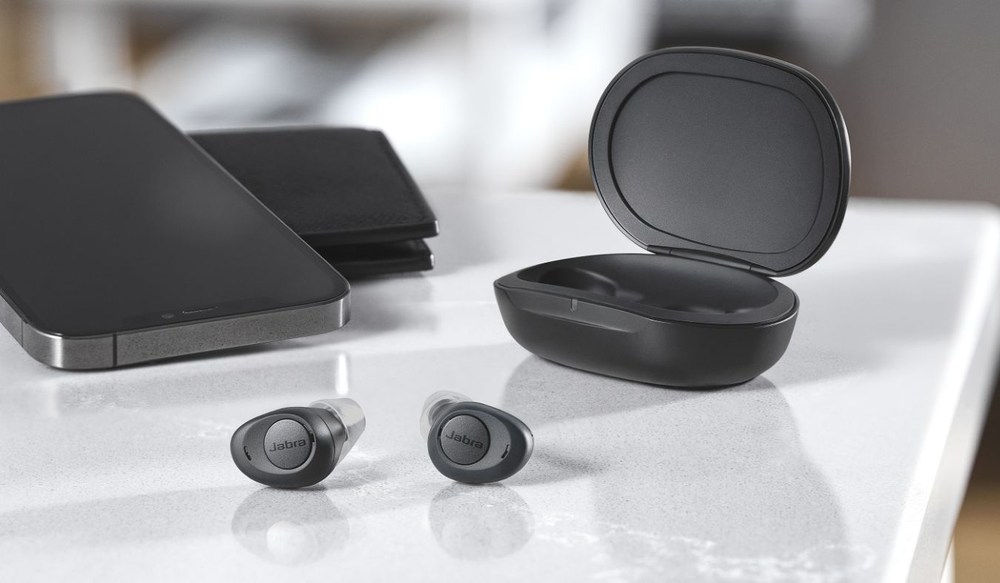
Hearing aid manufacturers now offer more discreet designs that are smaller and less noticeable than before. Some models fit completely inside the ear canal, making them almost invisible when worn. These options are helpful if you prefer a device that does not stand out.
Custom fit options are also available for many modern hearing aids. Your ear shape is measured so the device fits comfortably and stays secure during daily activities. A better fit can improve both comfort and sound quality while reducing the chance of feedback or whistling noises.
Rechargeable batteries are now a common feature in many new hearing aids, making daily use much easier. These batteries can last all day on a single charge and remove the need to handle small disposable batteries.
To get the most from rechargeable hearing aids, place them in their charging case each night so they are ready to go in the morning. If you spend long hours away from home, carrying a portable charger can help keep your devices powered throughout the day.
Modern hearing aids are designed to connect wirelessly with a wide range of personal technology, improving both convenience and sound delivery. Bluetooth is the standard technology used to create this direct link between the hearing aid and your digital devices.
This wireless connection allows you to stream audio directly into your hearing aids for clearer sound quality and easier control.
Here are the key benefits of this digital integration:
Some modern hearing aids are moving beyond simple audio assistance and now incorporate built-in sensors to monitor certain aspects of a hearing aid wearer’s physical health. These devices can track daily physical activity, much like a typical fitness band.
This feature is particularly useful because the devices are worn consistently throughout the day, which allows for continuous data collection that traditional trackers might miss if left at home.
These sensors can measure how much time a hearing aid wearer spends actively listening to and interacting with others, a key indicator of cognitive stimulation.
The hearing aids then provide the wearer and their healthcare providers with data to help identify patterns. This ensures the wearer is actively participating in their social environment.
Safety tools in modern hearing aids now include features like fall detection and activity monitoring. These additions are designed to help keep you safer as you go about your daily life.
Fall detection uses built-in sensors to notice sudden movements that could mean a fall has happened, and some devices can even send alerts to family members or caregivers. Activity monitoring tracks steps and movement, giving helpful feedback about your physical activity each day.
With these features working quietly in the background, you can feel more secure knowing your hearing aids support both better hearing and personal safety.
When comparing hearing aid technology, it helps to think about your daily activities and where you spend most of your time. Someone who enjoys quiet evenings at home may need different features than someone who attends busy social events or works in noisy places.
Some devices are designed for active lifestyles and include options like sweat resistance, health tracking or advanced noise reduction. Others focus on comfort and simple controls for those who prefer easy-to-use solutions during calm routines.
Keeping up with advances in hearing aid technology can help you find solutions that fit your lifestyle and make daily listening easier. New features like Bluetooth connectivity, rechargeable batteries and adaptive learning are designed to improve comfort, sound quality and convenience.
Choosing technology that matches your needs may lead to better results in both quiet and busy environments.
If you have questions about new hearing aid options or want guidance on which features may work best for you, the team at SoniK Hearing Care Services is here to help. Schedule a consultation at one of our locations by calling:
Anyone who has spent a summer in Northeastern Illinois knows how quickly
By: Lata Jain, AuD | September 21, 2026

By mid-year, most people have already been through more than they realize.
By: Lata Jain, AuD | April 22, 2026
Your hearing aids work hard every day, helping you stay connected to
By: Lata Jain, AuD | April 15, 2026