Advances in Water-Resistant Hearing Aid Coatings
Anyone who has spent a summer in Northeastern Illinois knows how quickly

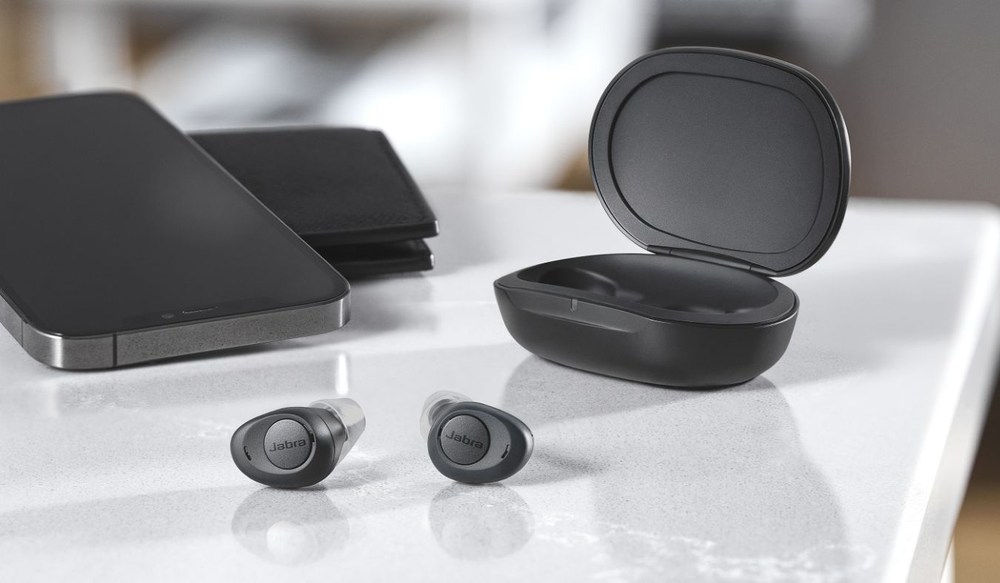
By: Lata Jain, AuD | September 21, 2026
Anyone who has spent a summer in Northeastern Illinois knows how quickly the weather can change. You might leave home under clear skies and get caught in a downpour by lunch.
Spend an afternoon at Ravinia, and the humidity alone can leave you feeling damp before the opening act. When you wear hearing aids, weather like this also means thinking about what happens when your devices get wet.
Hearing aids have changed over the years, including the materials used to protect the electronics inside them.
How much protection they have depends on the device and the type of exposure involved. Newer designs have changed what daily moisture exposure means for the devices people wear now.
A hearing aid has several places where moisture can work its way inside, including microphone openings and the battery or charging area.
Sweat can collect around the device during exercise or on a hot day. Humid air can also leave moisture inside, even when the model hasn’t been directly splashed with water.
Once moisture reaches the internal parts, your device may develop static, shut off unexpectedly or have trouble charging.
Water left around metal contacts can also cause corrosion over time. These problems don’t always appear immediately, so repeated exposure can take a toll before the device starts acting differently.
The coating used on many of these are hydrophobic, which means water doesn’t spread easily across the treated surface. Instead, droplets tend to stay rounded and roll away.
During manufacturing, this treatment may be applied to the casing and certain internal parts. It adds protection without covering the microphones or other openings that need to remain open for them to work.
The coating changes how water behaves on those treated surfaces, but it doesn’t create a waterproof seal around the device. Moisture can still get through an opening or remain trapped in an untreated area.
The coating is mainly there to limit how much contact water has with sensitive components when they are exposed to sweat, humidity or an occasional splash.
Hearing aid manufacturers also work on the places where separate pieces of them meet. Gaskets may sit between sections of the casing, and charging contacts may be built to limit water entry.
Microphone openings need to let sound through, so some designs use a thin membrane that lets sound reach the microphone while blocking water droplets.
The IP rating comes from standardized testing rather than a general claim that a device resists water. The first digit measures protection from solid particles like dust.
The second measures protection from water. With an IP68 rating, the six is the highest dust rating.
The eight means it has passed an immersion test under conditions specified for that device. Those conditions matter because IP68 doesn’t automatically mean every device was tested at the same depth or for the same amount of time.
The materials used for moisture protection vary by manufacturer and device. You may come across several types when reading about construction:
Once the coating thinned in one area, that spot had less protection than it did when the device was new. Newer coating methods give manufacturers more control over how thick the protective layer is and where it goes.
Vapor-based processes can leave an even film around very small components, including edges and spaces that are difficult to coat with a liquid.
Manufacturers can also apply these treatments during different stages of assembly instead of relying mainly on protection added near the end of production.
Exercise, outdoor work and other physical activity can leave hearing aids exposed to sweat for hours at a time. Better water resistance means the devices are built to handle more of that contact before moisture reaches the electronics.
A light rain or splash is also less likely to cause an immediate problem when the device has stronger moisture protection. This is useful for people who don’t spend most of the day in dry, indoor spaces.
Gardening, running, cycling or working outside can expose them to moisture several times in a single day. Water resistance adds some protection during those activities, although the limits still depend on the device and its IP rating.
Outdoor activities can put different demands on hearing aids than wearing them indoors. Depending on the model, features made for these situations may include:
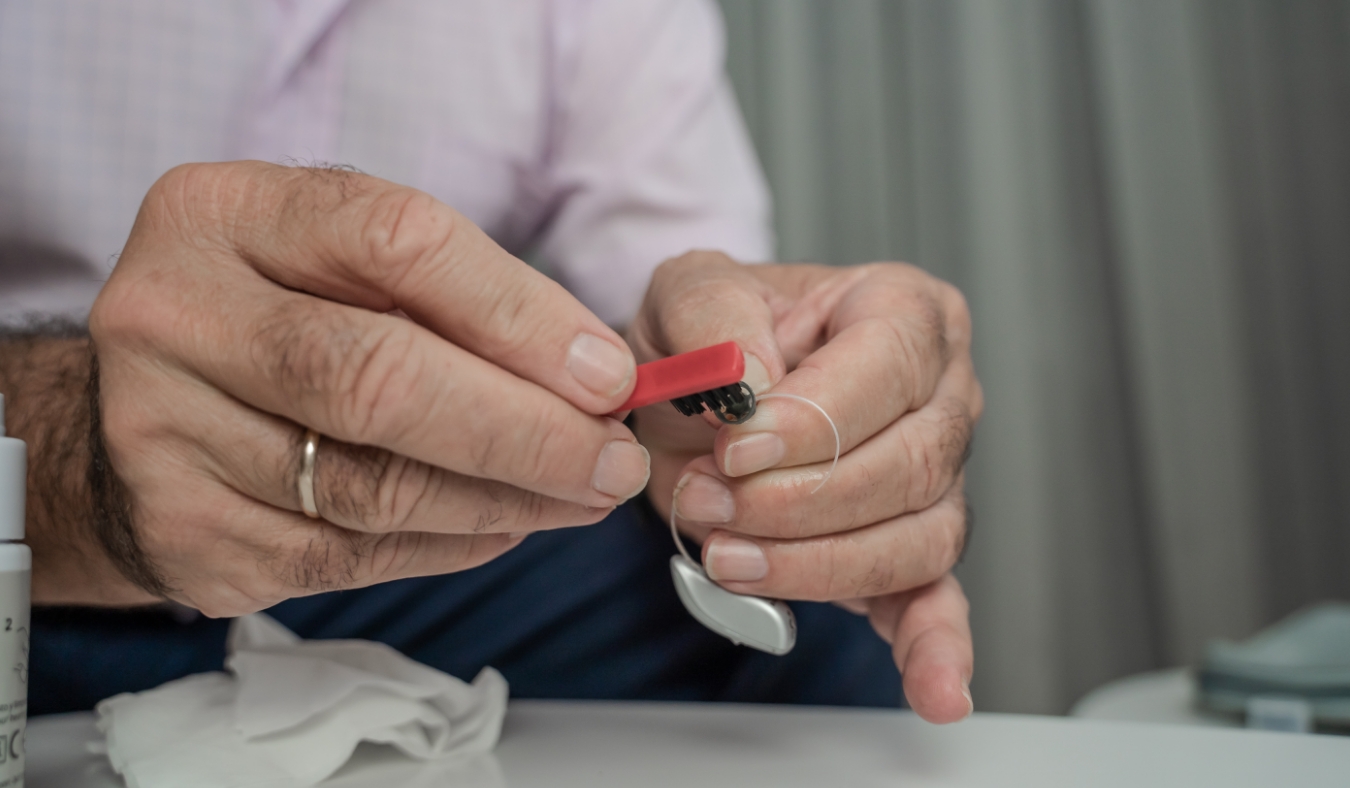
Use the products recommended for your model and wipe the casing with a soft cloth instead of scrubbing it. After exposure to sweat or rain, dry the outside before putting the devices away.
Sweat can leave salt and residue behind after it dries. Don’t apply waterproofing sprays or sealants made for other electronics, since they may block microphone openings, vents or charging contacts.
During a check, your local audiologist can also look for cracks, worn casing or damaged seals that may change how well the device keeps moisture out.
Water resistance is tested under controlled conditions, which don’t cover every way a hearing aid might get wet. Moving water creates pressure that isn’t the same as sitting in still water.
Soap and shampoo can also change how water behaves on a treated surface, which is one reason showering with them isn’t covered by water resistance alone.
Temperature matters too. Very hot water and steam expose the device to conditions that a standard water test may not include.
Water resistance also doesn’t protect against every liquid. Sunscreen, insect repellent and other products used outdoors can leave chemicals or residue on the casing that the coating wasn’t designed to handle.
A water-resistant coating is extremely thin, so you probably won’t see a clear layer lifting away from the surface. Instead, wear may show up as little changes in areas that are handled, cleaned or exposed to moisture often.
Things to watch for include:
You can also ask what the manufacturer says about sweat, rain, splashes and accidental immersion. Two devices may have similar ratings but come with different instructions about water exposure.
Think about where your device usually goes with you during the week. If you exercise regularly, work outside or spend time around water, mention those situations when you compare models.
Ask about drying instructions, charging after the devices get wet and any restrictions listed in the warranty. You’ll also want to know what to do if a device gets soaked beyond its tested limits.
Water resistance gives today’s devices more protection than older models had, but it still comes with limits. Once you know what your model is designed to handle, you’ll have a better idea of how to care for it after rain, exercise or time outside.
That information also comes in handy when you’re comparing newer models and deciding which features fit the way you spend your time. At SoniK Hearing Care Services, we can go over your devices’ water-resistance rating and explain what the manufacturer recommends for daily care.
Our team can also check the casing, seals and coating as part of a regular device visit. Call our Arlington Heights or Cary offices at (224) 888-4224, or either Chicago location at (312) 878-8100, to schedule a visit.
Tags: benefits of hearing aids, hearing aid repair, hearing aid styles
Anyone who has spent a summer in Northeastern Illinois knows how quickly
By: Lata Jain, AuD | September 21, 2026
By mid-year, most people have already been through more than they realize.
By: Lata Jain, AuD | April 22, 2026
Your hearing aids work hard every day, helping you stay connected to
By: Lata Jain, AuD | April 15, 2026